When Does Renting an LED Display Make More Sense Than Buying One?

LED displays have become an essential part of modern events, exhibitions, retail activations, corporate presentations, concerts, and brand launches. Businesses now use large-format LED screens for stage backdrops, digital branding, live streaming, product presentations, and immersive audience engagement. However, one important decision still creates confusion for many companies: should the LED display be rented or purchased?
The answer depends on several operational and financial factors, including project frequency, equipment utilisation, display specifications, maintenance capability, and long-term capital planning. In many situations, renting an LED display provides better financial flexibility and operational efficiency than ownership.
For event production companies, corporate brands, AV integrators, exhibition organisers, and marketing agencies, working with a reliable rental LED display manufacturer often eliminates the challenges associated with equipment depreciation, storage, maintenance, and technology upgrades.
This article explains when renting an LED display makes more practical and commercial sense than purchasing one, the cost factors businesses should evaluate, and how to select the right rental LED display manufacturer for professional event requirements.
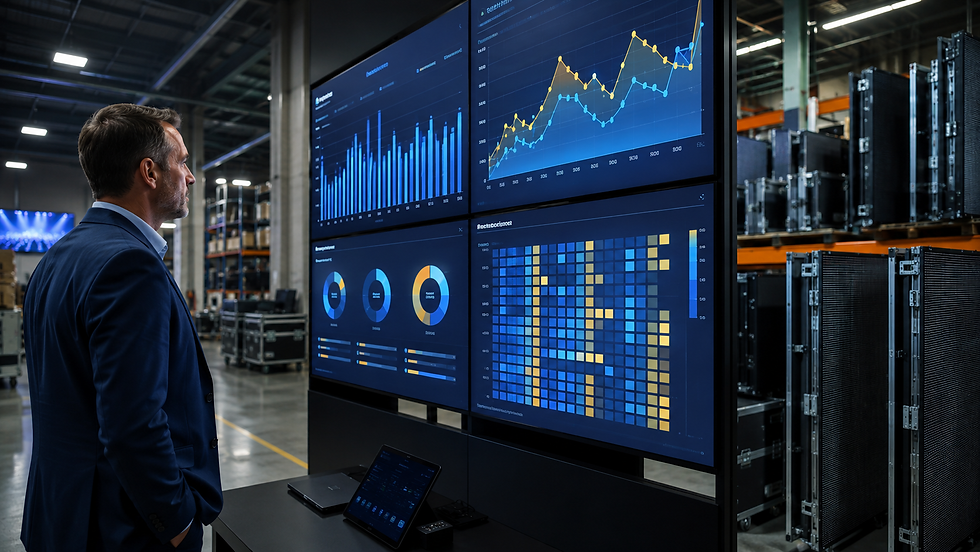
Why Utilisation Rate Determines Whether Renting or Buying Makes Sense
The most important factor in the rent-versus-buy decision is equipment utilisation.
LED display systems involve substantial capital investment. If the display remains in regular use throughout the year, ownership may become financially viable. However, if the equipment is used only for occasional projects, renting usually provides better cost efficiency.
LED display technology also evolves rapidly. Pixel pitch standards, brightness performance, panel design, refresh rates, and display processing technologies continue to improve. Businesses that purchase LED inventory today may need additional investment within a few years to meet updated client expectations and industry specifications.
Rental eliminates this issue by allowing businesses to access current-generation LED display systems whenever required without investing in technology upgrades or inventory replacement.
Renting LED Displays for One-Time Events and Temporary Installations
Rental is often the most practical solution for one-time events or temporary display requirements.
Corporate conferences, trade exhibitions, product launches, award ceremonies, wedding events, and seasonal retail campaigns usually require LED displays for a limited duration. Purchasing equipment for such applications rarely provides a reasonable return on investment.
A business may require:
An indoor fine-pitch LED wall for a conference
A curved LED display for a product launch
An outdoor LED screen for a promotional event
An LED stage backdrop for a concert or ceremony
Each setup involves different technical specifications, panel configurations, and installation requirements. Renting allows businesses to use project-specific display systems without long-term ownership costs.

Renting Makes More Sense When Display Requirements Change Frequently
Many businesses handle projects with varying display sizes, resolutions, and installation formats. In such cases, maintaining owned inventory for every possible requirement becomes financially impractical.
Different projects may require:
Indoor fine-pitch LED panels
Outdoor high-brightness displays
Transparent LED displays
Curved LED walls
LED stage flooring
Lightweight rental cabinets for touring events
Purchasing inventory across all these categories increases capital expenditure, storage requirements, and maintenance responsibility significantly.
Working with a rental LED display manufacturer allows businesses to select the appropriate display specification for each project individually rather than depending on a fixed inventory.

Large Events Require Rental Support Even for Companies That Own LED Inventory
Many event production companies and AV agencies already own LED display equipment. However, large-scale projects frequently require additional inventory beyond their available stock.
A project may demand:
Larger screen dimensions
Higher pixel density
Additional backup panels
Special display configurations
Simultaneous installations across multiple venues
In such situations, rental support helps companies expand operational capacity without making immediate capital investments in additional inventory that may not remain consistently utilised after the project.
This hybrid approach — combining owned inventory with rental support — is widely used across the event production and live entertainment industry.

Renting Reduces Maintenance and Storage Responsibilities
LED display ownership involves ongoing operational responsibilities beyond the initial purchase cost.
Businesses managing owned inventory must handle:
Equipment storage
Preventive maintenance
Panel testing
Module replacement
Transportation logistics
Rigging equipment
Technical staffing
Insurance and asset protection
These operational costs increase significantly for businesses without dedicated AV infrastructure or warehouse facilities.
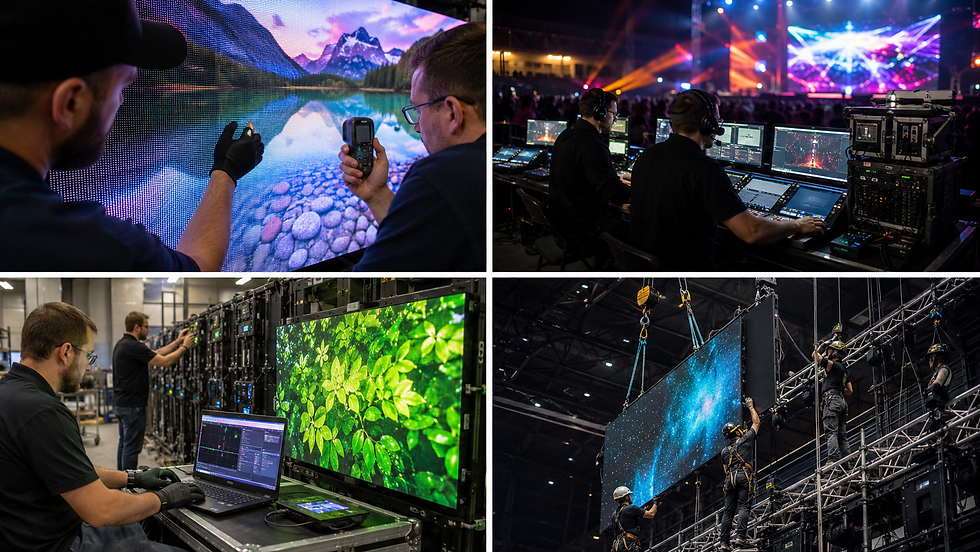
Renting from an experienced rental LED display manufacturer transfers these responsibilities to the service provider. The rental company manages testing, maintenance, transportation, installation support, and technical servicing, allowing the client to focus on event execution rather than equipment management.
Renting Helps Businesses Avoid Technology Obsolescence
LED display technology continues to advance in areas such as:
Fine-pitch resolution
COB LED technology
Flip Chip integration
Refresh rate improvement
Energy efficiency
Lightweight cabinet design
A display system purchased today may no longer meet premium event specifications within a few years. This affects both resale value and market competitiveness.
Rental provides access to updated display technology without requiring repeated capital expenditure on hardware upgrades.
What to Check Before Hiring a Rental LED Display Manufacturer
Selecting the right rental LED display manufacturer is important for event reliability and display performance.
Verify Inventory Quality
Check the available pixel pitch options, display brightness levels, cabinet condition, and panel generation before confirming the rental.
Modern events often require high refresh rates and seamless display performance, especially for broadcast and live-streaming applications.
Ask About Technical Support
Professional rental providers should offer:
Installation assistance
On-site technical support
Signal processing setup
Backup equipment availability
Emergency troubleshooting support
Confirm Pre-Event Testing Procedures
Reliable rental companies test all LED panels before dispatch. This includes checking:
Dead pixels
Brightness uniformity
Signal stability
Colour consistency
Power distribution
Evaluate Installation Capability
Large-format LED installations require proper rigging, structural support, and electrical planning. Confirm whether the rental provider manages installation and dismantling services.
Final Thoughts
Renting an LED display makes more sense than buying when project frequency, utilisation rate, operational flexibility, and technology requirements do not justify long-term equipment ownership.
For one-time events, temporary installations, changing display specifications, and large-scale productions, working with a professional rental LED display manufacturer provides better financial efficiency and operational convenience. Rental also eliminates maintenance responsibility, reduces storage costs, and gives businesses access to updated display technology without additional capital investment.
Businesses should evaluate actual usage requirements, project scale, technical expectations, and operational capability before making a purchase decision. In many cases, rental delivers better commercial value, greater flexibility, and more reliable project execution than ownership.


Comments